
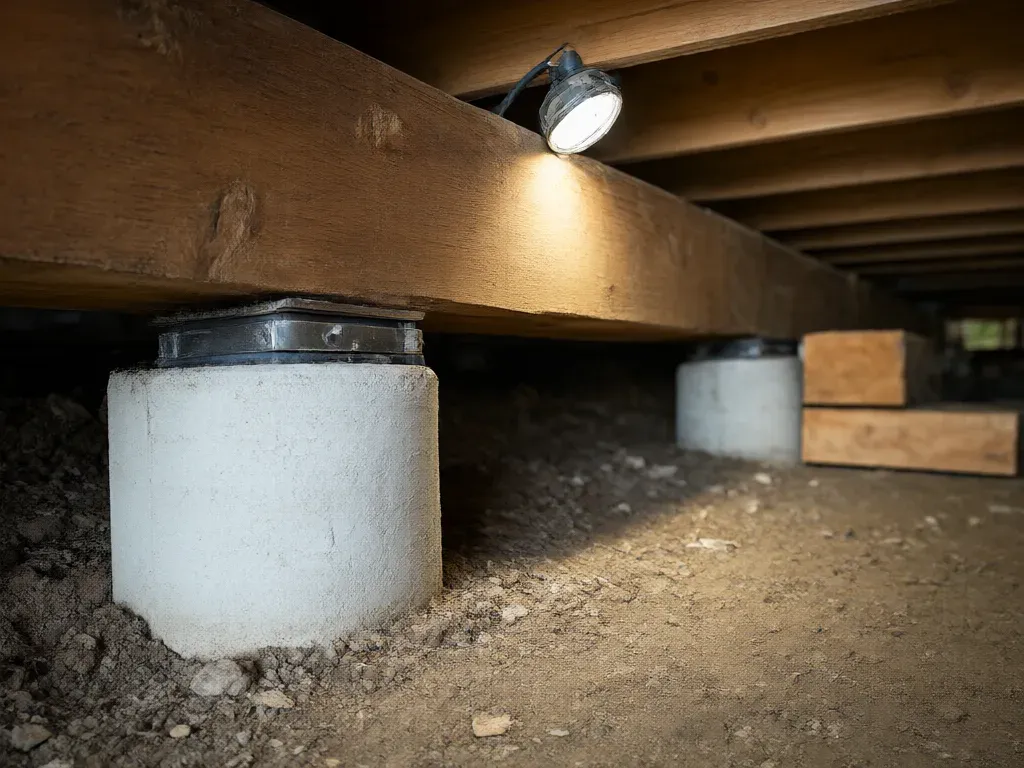
Pier and Beam Foundation Repair in Richardson, TX
Richardson Superior Foundation Repair offers professional pier and beam foundation repair in Richardson, TX with steel shims, concrete pier pads and crews who've been under these houses since 2008. We re-level sagging floors, replace rotted cedar blocks and crushed wood shims, and repair girders, sill plates and floor joists. Most pier and beam re-shim jobs take 1 to 2 days on site.
Pier and beam houses move differently from slabs. The interior supports sit on the clay at shallow depth and the perimeter beam often rides on its own footing, so floors can sag in the middle while the outside looks fine. We crawl the whole space, take manometer readings in every room and look at the wood as hard as the soil.
Get a FREE Estimate
Or call (972) 480-3656
Pier and Beam Foundation Repair Options
Most pier and beam repairs combine two or three of these. The crawl tells us which.
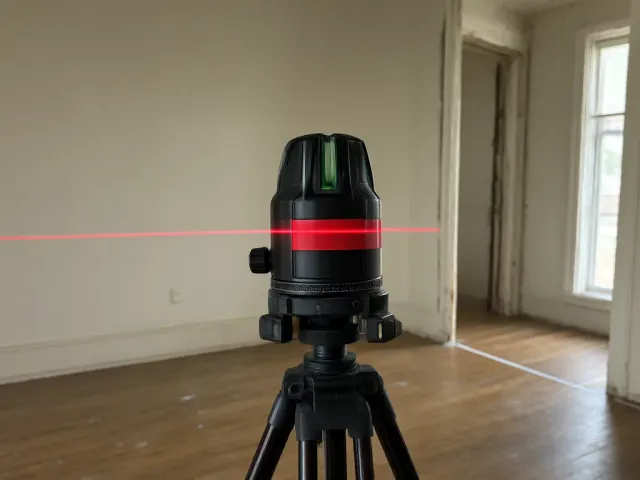
Pier and Beam Re-Shimming and Leveling
When the supports are sound but the shims have crushed or worked loose, we jack the girder and reset it on steel shims. That's the quickest fix for a bouncy floor or a door that drifts open by itself. A typical house runs $1,500 to $4,500.
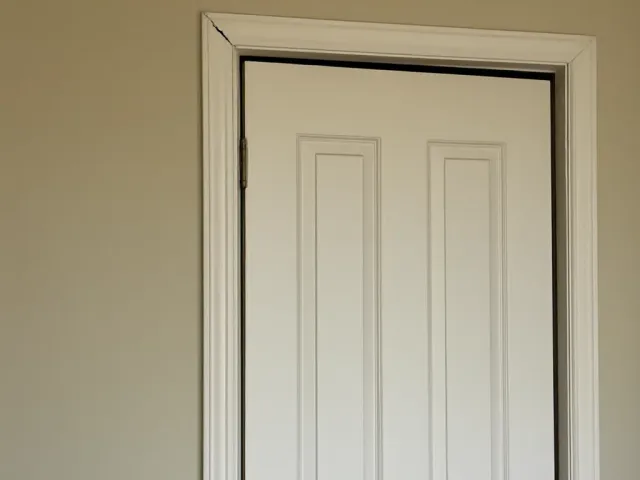
Pier and Beam Support Replacement
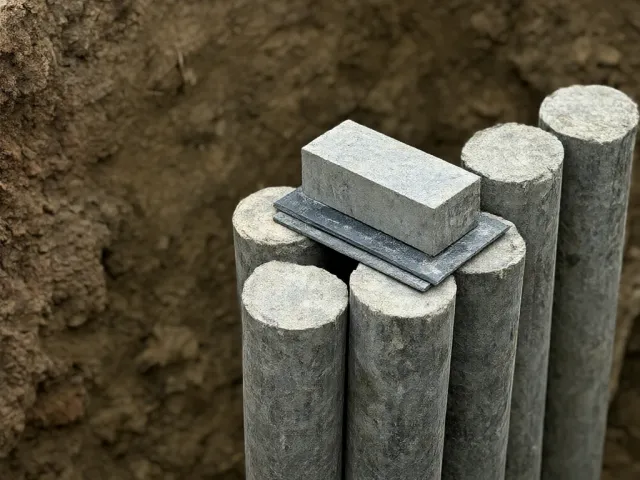
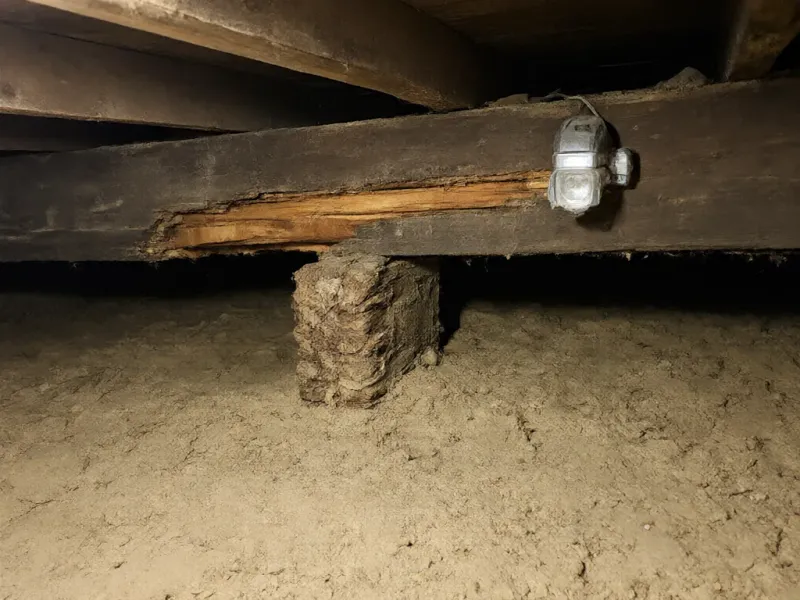
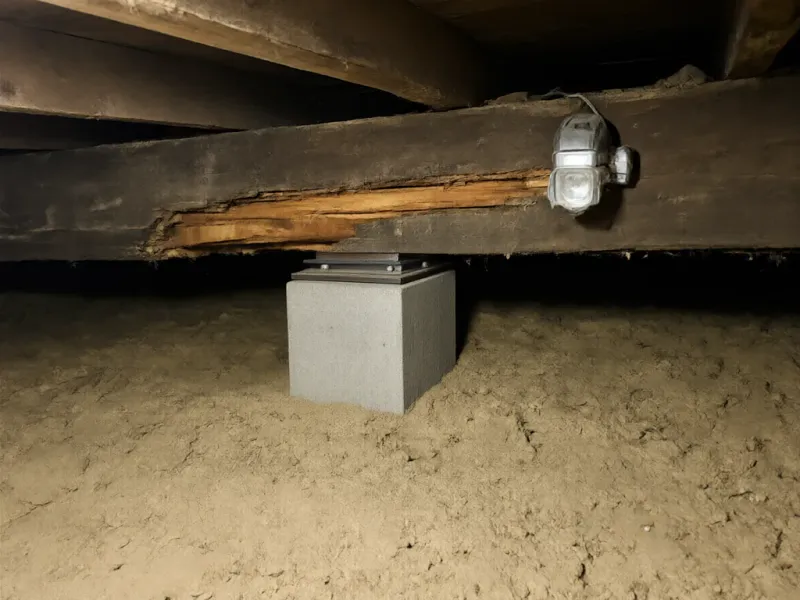
Cedar blocks rot, stacked brick shifts and old concrete blocks sink into wet clay. We pull them and set concrete pads with steel shims, $350 to $650 per support. Where the engineer wants more bearing, we add pressed pilings under the girder line.
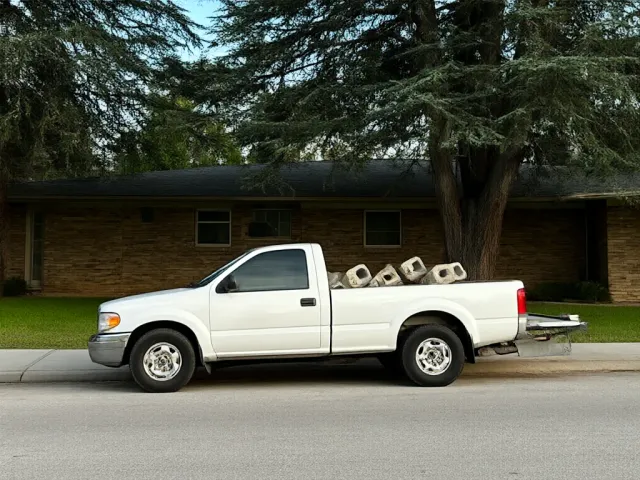
Pier and Beam Perimeter Beam Piering
The outside beam on many pier and beam houses sits on a shallow footing that settles like a slab edge. We press concrete pilings to refusal under it, usually 8 to 18 feet, and lift it on steel shims to the engineer's plan.
Pier and Beam Girder and Sill Plate Replacement
Soft wood spreads the sag no matter how good the piers are. We cut out rotted sill plate and girder sections and replace them with treated lumber, $45 to $85 per linear foot, so the new supports have something solid to carry.
Pier and Beam Floor Joist Sistering
Notched, cracked or undersized joists make floors bounce between girders. We sister new lumber alongside the damaged joist, fastened full length, and add a support line under the middle where a span has been sagging for years.
Before and After
Signs of Pier and Beam Foundation Problems
The classic sign is a floor that sags toward the middle of the house or bounces when you walk down the hall. Doors that swing open or shut on their own, gaps under baseboards and cracks over door frames come next.
Outside, check the skirting and the vents. A crawl space that stays damp, smells musty or holds standing water after rain is wearing out the wood. Soft floors and musty air near a bathroom often point to a plumbing leak, not just settlement.
Why Pier and Beam Houses Sag on Clay
Interior supports under a pier and beam house sit close to the surface, right in the layer of clay that swells and shrinks the most. Over decades, that clay pumps the supports up and down until the shims crush and the blocks tilt.
Moisture finishes the job. Girders and sills sitting in damp air rot from the bottom up, and termites follow wet wood. When we re-level a house, we look at what's making the crawl space wet, because a dry crawl space keeps new shims tight longer.
We aim for 18 inches of clearance under the framing where the house allows. That gives the wood air and gives us room to inspect it next time.
What Makes Our Pier and Beam Work Different
We crawl every foot of it. The supports in the back corner behind the ductwork are usually the ones that failed first, and you can't see them from the access hatch.
Every new support gets a concrete pad and steel shims. Wood shims compress, and plastic shims weren't made to carry a girder for decades. New pressed pilings carry our lifetime transferable warranty, and re-shims without new piers come with 2 years of free re-shimming.
Our Pier and Beam Foundation Repair Process
Crawl and measure
We crawl the space, check every support, girder and sill, and take manometer readings in every room above it.
Plan the supports
We map which supports to re-shim, replace or add, and bring in the engineer when the repair includes new pilings.
Fix the wood
Rotted sill plate, girder sections and damaged joists get replaced or sistered before anything gets lifted.
Set supports and level
We set concrete pads and steel shims, jack the girders in small steps and check the floor with the manometer as we go.
Check the crawl space
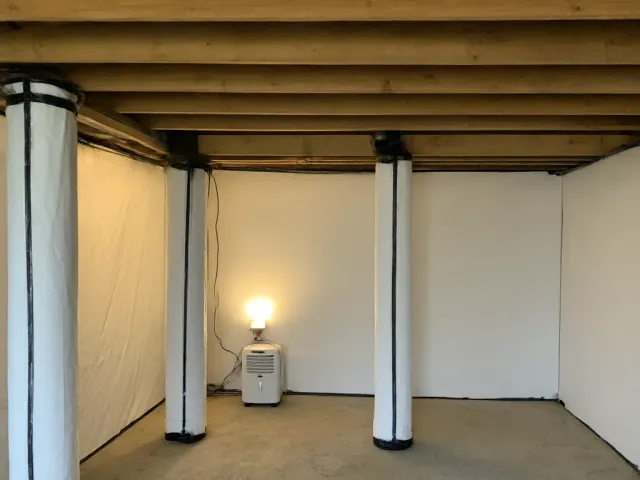
We look at vents, drainage and humidity and tell you whether a vapor barrier or encapsulation would keep the fix tight.
Pier and Beam Foundation Repair Questions
How much does pier and beam foundation repair cost?
Re-shimming and leveling a typical house runs $1,500 to $4,500. New supports with concrete pads and steel shims run $350 to $650 each, and rotted sill or girder replacement runs $45 to $85 per linear foot. The written estimate lists each one separately.
How often does a pier and beam house need re-shimming?
It depends on how wet the crawl space stays and how hard the clay cycles. That's why our re-shims come with 2 years of free re-shimming, and why we push hard on drainage and crawl space moisture.
Can you fix a soft spot in the floor?
Usually, yes. A soft spot is often a rotted subfloor, a cracked joist or a missing support underneath. We find which one from below, then sister the joist, add a support or patch the subfloor.
Do you have to tear up my floors?
Almost never. We work from the crawl space. The only time we open a floor is when rot has gone through the subfloor from above, like under an old toilet or tub.
Should I encapsulate the crawl space after the repair?
If the crawl space stays damp, it's worth it. A 20-mil liner, sealed vents and a dehumidifier hold humidity under 60%, which keeps the girders dry and the shims tight. If the space is already dry, a vapor barrier may be enough.
Floors Sagging or Bouncing? Let's Crawl It
Call (972) 480-3656 to book a free foundation inspection. We'll check every support, girder and sill and show you what we found before we price anything.